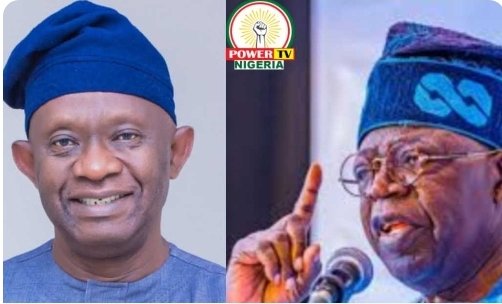
Nigeria's Economic Woes: Did Problems Predate Tinubu's Administration?
Nigeria, a nation rich in human and natural resources, frequently grapples with economic turbulence. The advent of President Bola Ahmed Tinubu's administration in May 2023 was met with a mix of hope and apprehension, especially as his government swiftly introduced significant policy shifts. Today, many Nigerians face unprecedented hardship, with soaring costs of living, diminished purchasing power, and widespread economic anxiety. The critical question on everyone's minds is: are these challenges solely a product of the current administration's policies, or do they represent the culmination of long-standing, systemic issues that have plagued the nation for decades? This article delves into Nigeria's economic landscape, examining the immediate impacts under President Tinubu and tracing the deeper historical roots of the nation's persistent problems.
The Immediate Hardship: Acknowledging Current Realities
There's no denying the immediate and palpable distress felt across Nigeria. From the bustling streets of Lagos to the quiet villages in the North, the daily struggle to make ends meet has intensified. As acknowledged by various officials, including those within the government, "things are not alright in the country." The statistics paint a stark picture: transportation costs have skyrocketed by as much as 200%, turning daily commutes into a financial burden. For an individual earning a modest N50,000 monthly, spending N25,000 on transportation alone leaves a meager N25,000 to cover all other expenses – food, housing, healthcare, and education – for an entire month. This scenario is simply unsustainable for most households.
This dramatic erosion of purchasing power extends beyond transport. Food prices are at an all-time high, inflation continues to bite hard, and the cost of essential goods and services has become prohibitive. The general sentiment is one of widespread hunger and desperation. Recognizing this severity, calls for a rapid resolution to the minimum wage issue have grown louder, with many advocating for a living wage that truly reflects the current economic realities. While hardship is undeniable, a deeper analysis reveals that the current situation, though exacerbated by recent policies, is built upon a foundation of pre-existing vulnerabilities.
Tracing the Roots: A Legacy of Challenges
To fully understand Nigeria's current economic predicament, it's crucial to look beyond the immediate horizon of the Tinubu administration. High-ranking government officials, such as the Secretary to the Government of the Federation, George Akume, have unequivocally stated that Nigeria's problems "did not start with" the current government. He emphasized that many of the reforms being undertaken now are "actions that could have been done 39 years ago," underscoring a long history of delayed or avoided structural adjustments.
Nigeria's economic vulnerabilities are deeply entrenched, stemming from decades of:
- Over-reliance on Oil: Despite its vast potential, Nigeria has historically failed to diversify its economy away from crude oil. Fluctuations in global oil prices have always sent shockwaves through the national budget, leading to periods of boom and bust without sufficient fiscal buffers. This lack of diversification left other crucial sectors underdeveloped and vulnerable.
- Infrastructure Deficit: From inadequate power supply to poor road networks and limited access to clean water, the lack of critical infrastructure has consistently hampered productivity, discouraged investment, and increased the cost of doing business across the country.
- Corruption and Misgovernance: Systemic corruption has siphoned off immense public funds, diverting resources meant for development into private pockets. This has eroded public trust, undermined institutions, and perpetuated a cycle of underdevelopment.
- Persistent Insecurity: Various forms of insecurity, including banditry, kidnapping, and insurgency, have devastated agricultural regions, disrupted supply chains, and driven away both local and foreign investment, further straining the economy and displacing communities.
- Unresolved Fiscal and Monetary Issues: For years, Nigeria struggled with maintaining a stable exchange rate, managing its foreign reserves, and tackling inflation effectively. The previous regime also grappled with the unsustainable petrol subsidy regime, which, while meant to cushion citizens, became a massive drain on national finances. To explore how some of these deep-seated issues have manifested, consider reading our analysis on Fuel Subsidy, Naira: Are External Forces Hijacking Nigeria's Future?, which delves into the historical context of these challenges.
These long-standing issues created a fragile economic environment, making the nation susceptible to external shocks and internal policy missteps. The current administration inherited an economy already teetering on the brink, characterized by dwindling reserves, high debt, and a populace weary from years of unfulfilled promises.
Navigating the Storm: Tinubu's Approach and Public Perception
Upon assuming office, President Tinubu's administration quickly implemented several bold, albeit painful, reforms. The removal of the petrol subsidy and the unification of the exchange rate were key decisions aimed at stabilizing the economy and attracting investment. However, the immediate fallout from these policies—skyrocketing fuel prices and a sharply devalued Naira—hit ordinary Nigerians hard, leading to widespread criticism.
Some critics, like Dr. Franklyne Ogbunwezeh, a Nigerian doctor based in Germany, have expressed profound doubts about President Tinubu's capacity and competence to effectively govern the country. He argued that the administration's handling of critical issues like petrol subsidy removal, naira devaluation, and security was "abysmal," suggesting that the President might be "overwhelmed" or that "forces have hijacked the government." This perspective reflects a segment of public opinion that perceives a lack of a clear, coherent strategy to navigate the current crisis.
Conversely, the government maintains that these reforms, though difficult, are necessary corrective measures for long-term economic stability and growth. They argue that the previous system was unsustainable and that the current pains are the price for a future "great dawn," echoing Chief Obafemi Awolowo's famous adage: "after darkness there will be a great dawn." Supporters point to the administration's efforts to increase allowances for workers and the ongoing discussions around a new minimum wage as evidence of their commitment to cushioning the blow.
The administration's communication strategy and President Tinubu's frequent travels abroad have also drawn fire. Critics urge the President to remain at home and directly tackle the myriad problems. Yet, the government counters that these travels are often for critical diplomatic engagements and investment drives aimed at securing foreign partnerships vital for Nigeria's economic recovery. The balancing act between immediate hardship and long-term vision is a delicate one, highlighting the immense pressure on the current leadership. For a deeper look into the administration's challenges and strategies, consider reading Tinubu's Fight: Solving Nigeria's Problems Amidst Overwhelming Odds.
Pathways to Resilience: What Lies Ahead?
Addressing Nigeria's deep-seated economic woes requires more than just stop-gap measures; it demands a comprehensive, sustained, and collective effort. As SGF Akume rightly emphasized, "all of us need to cooperate" and embrace "collective responsibility in nation-building efforts." The path forward, while challenging, offers opportunities for meaningful change:
- Economic Diversification: A renewed, aggressive push for diversification beyond oil into agriculture, manufacturing, technology, and solid minerals is crucial. This requires targeted investments, incentives for local production, and creating an enabling environment for small and medium-sized enterprises (SMEs) which are the bedrock of any thriving economy.
- Fiscal Discipline and Prudence: Strict adherence to fiscal discipline, reducing wasteful spending, improving revenue generation through broadening the tax base (without overburdening the poor), and prudent debt management are indispensable.
- Strengthening Institutions and Governance: Combating corruption through robust legal frameworks, transparent processes, and accountability across all levels of government is paramount. Strengthening democratic institutions fosters investor confidence and ensures equitable distribution of resources.
- Investment in Human Capital: Prioritizing education, healthcare, and skills development is vital. A healthy, educated, and skilled workforce is the most valuable asset for economic growth and innovation.
- Infrastructure Development: Continued investment in critical infrastructure, especially power, transportation, and digital connectivity, will reduce operational costs for businesses and improve the quality of life for citizens.
- Social Safety Nets: Implementing effective social welfare programs and targeted subsidies for the most vulnerable populations can cushion the harsh impacts of economic reforms and prevent widespread destitution.
The journey towards economic stability and prosperity will be arduous and fraught with challenges. However, by acknowledging the historical context of its problems, embracing necessary reforms with empathy, fostering national unity, and ensuring transparent governance, Nigeria can indeed move towards a brighter economic future. The collective will of the government, private sector, and citizens will determine whether the current period of darkness truly gives way to a great dawn.